Contents and sources 3 sections
Key points
- Public groups are organized by location, interests and character traits, offering common ground beyond what members own.
- Group and event listings show an organizing approach, not evidence of attendance, retention or asset value.
Different routes to the same penguin
Some people encounter the penguin through products, others through social media, and others own related assets. When checked on November 5, 2026, Pudgy Penguins' The Huddle homepage welcomed all these audiences, including NFT and PENGU holders. The public entry point brings several routes into the brand together.[1]
Liking a character and owning an asset are different relationships. Giving both a place in one community space makes room for the former, too. But a welcome on the homepage does not mean every group is open to everyone. This article examines public pages; it does not test registration, wallet connections or membership eligibility.
The next conversation could start with fitness or making things
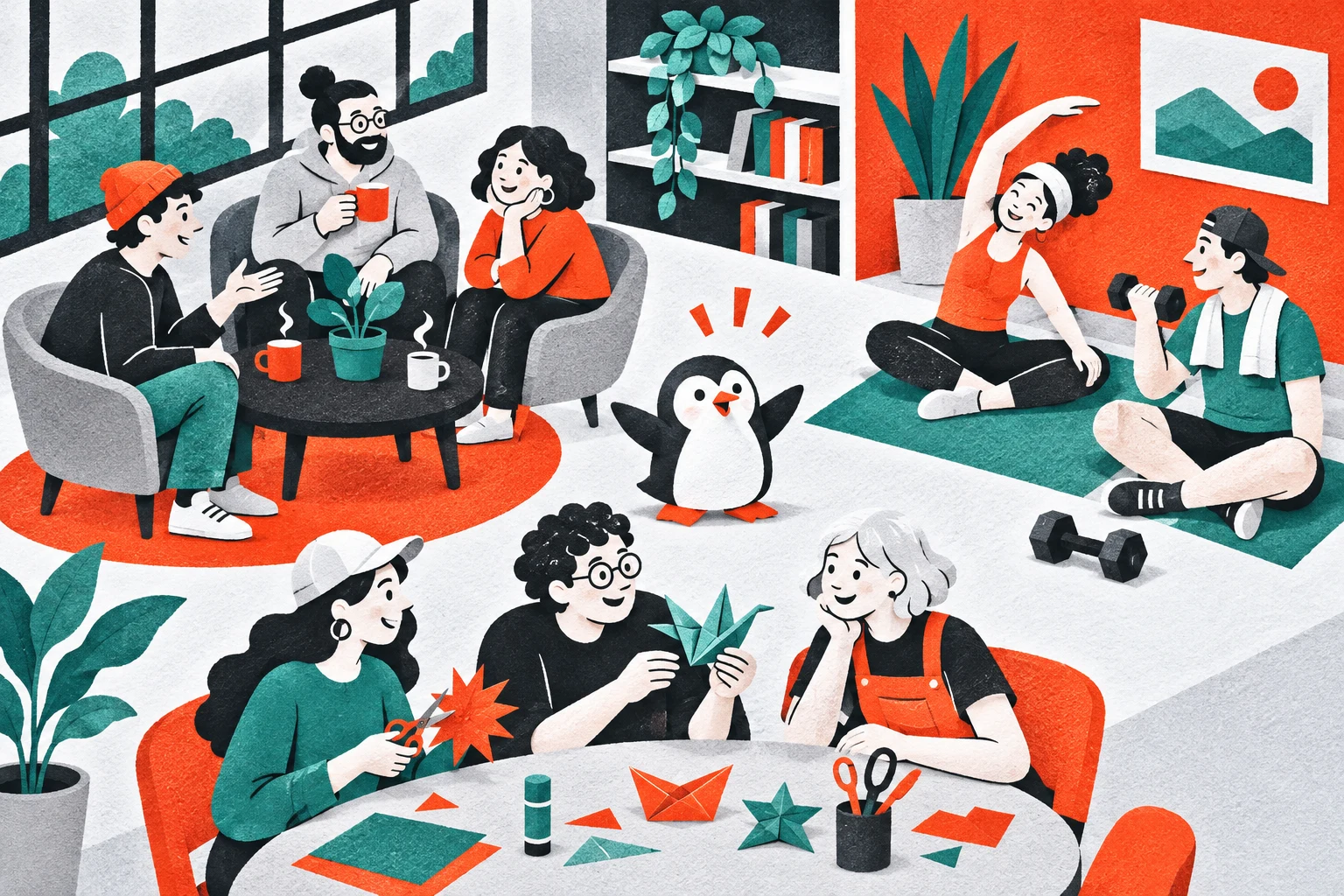
The Huddle's group directory can be browsed by region, topic and character traits, among other categories. Pudgy Fitness focuses on exercise, Pudgy Makers brings together builders, and regional groups include Taiwan and Hong Kong. For someone seeking like-minded people, that offers another conversation starter beyond knowing what others have bought.[2]
The event directory also lists coffee meetups in Beijing and a gelato gathering in Shanghai. Coffee and ice cream are easy-to-understand reasons to meet. Yet a listing tells us how organizers present an event, not how many people attended or stayed in touch afterward.[3]
Giving people a reason to return
These categories suggest that a character can open a conversation between strangers, while shared interests may help it continue. Fitness progress, a project in development or the next local meetup can provide reasons to meet again. That is an interpretation of the community design, not a finding about its success. Assessing it would require following continued group interaction, recurring events and whether newcomers return.
The pages examined here are insufficient to establish member retention or show that owning an NFT or token caused these interactions. What people can do together after liking the penguin is the useful question this directory raises. Translating those activities into asset value goes beyond what the public material can answer.
Sources & further reading
(3)
When checking a claim, compare the source date, measurement period and conditions. Some linked pages change over time.
For information and education, not investment advice. Crypto assets are volatile. Verify independently.